
Why luck matters in the world of gambling
The Role of Luck in Gambling
Luck is often considered a defining element in the world of gambling. In games of chance, such as slots and roulette, the outcome is fundamentally unpredictable, relying heavily on fortunate circumstances. Gamblers frequently express their experiences through phrases like ‘getting lucky’ when they hit a jackpot or make a successful bet. This highlights the intrinsic nature of luck in their experiences. Interestingly, many players also explore bitcoin sports betting sites to enhance their chances, as without a certain degree of luck, the unpredictable outcomes inherent in these games would render them less thrilling and enticing, stripping away the excitement that draws players in.
This unpredictability creates an adrenaline-fueled environment where players relish the possibility of winning big. The thrill of not knowing whether the next spin or card draw will lead to a substantial payout keeps players engaged and returning for more. The element of luck levels the playing field, allowing novice players to occasionally best seasoned gamblers. This notion reinforces the idea that anyone can strike it rich in a single moment, making every visit to a gambling venue an exhilarating experience filled with anticipation.
While skill and strategy play their parts in certain games, the sheer randomness of many gambling activities means that luck remains the dominant factor. This duality makes gambling a uniquely compelling pastime: players can apply their knowledge and skills, but ultimately, the roll of the dice or the turn of a card can trump all preparation. The intricate dance between skill and luck creates an atmosphere where every session at the tables or machines is an exploration of fate, making it a captivating experience for all types of players.
The Psychological Impact of Luck
The psychological significance of luck in gambling extends beyond mere chance; it shapes players’ behaviors and decision-making processes in profound ways. Many gamblers develop a strong belief in luck, reflected in their choice of games, betting strategies, or even rituals designed to attract good fortune. For instance, a player might wear a specific charm or visit a favorite venue on particular days, believing these actions will enhance their luck. Such beliefs can enhance the overall gambling experience, as players become more emotionally invested in their outcomes, often attributing their wins and losses to external forces.
Additionally, the perception of luck can influence how players interact with one another. Gamblers often share tips, superstitions, and stories about lucky streaks, fostering a community based on these shared beliefs. This social aspect of gambling can enhance the enjoyment and engagement of players, contributing to a sense of belonging. By creating a narrative around luck, players feel more connected to the gambling environment, which can lead to more frequent participation and deeper experiences. These communal activities can transform the solitary act of gambling into a shared journey, enhancing the thrill.

However, it’s crucial to recognize the fine line between a healthy belief in luck and the potential for cognitive distortions. Gamblers may fall into the ‘gambler’s fallacy,’ mistakenly believing that past outcomes influence future results. This fallacy can lead players to make irrational decisions, often resulting in greater financial losses. Understanding the psychological impact of luck can empower gamblers to approach their activities with more insight, helping them maintain a balanced perspective that promotes responsible gaming practices and minimizes the potential for harmful behaviors.
Luck vs. Skill: Understanding the Balance
The balance between luck and skill varies significantly across different types of gambling. In games like poker, skill plays a more significant role, requiring players to read their opponents, make strategic decisions, and manage their bankrolls effectively. However, even in skill-based games, luck cannot be entirely dismissed, as the cards dealt or the dice rolled can sway the game’s outcome in unpredictable ways. This intertwining of skill and chance adds layers of complexity to gambling, making it a deeply engaging pursuit that attracts diverse players.
Games that are purely based on luck, such as slot machines, require no skill whatsoever, yet they draw players for their simplicity and the excitement of potential windfalls. The randomness inherent in such games leads to outcomes that are highly unpredictable, intensifying the thrill of the gamble. Players often find solace in the fact that, regardless of their experience level, luck can change the game in an instant, providing a sense of hope and excitement that is difficult to replicate in more skill-based games.
Understanding the interplay between luck and skill can enhance a gambler’s approach to their chosen game. By recognizing when to leverage strategy and when to rely on luck, players can make more informed decisions that align with their goals. This comprehensive understanding can also mitigate disappointment when luck does not favor them, fostering a healthier attitude towards wins and losses. In this way, players can engage with gambling not just as a means to an end but as a multifaceted experience that combines chance and skill in unique ways.
The Consequences of Chasing Luck
While luck plays a crucial role in gambling, chasing lucky streaks can have negative consequences for players. Many gamblers fall into the trap of believing they can control or predict their luck, often leading to reckless betting behaviors. This chase can result in significant financial losses as players wager more than they can afford in hopes of recapturing that elusive lucky moment. Understanding the dangers of this mindset is essential for maintaining a balanced approach to gambling, as it can prevent players from spiraling into a cycle of desperation and loss.
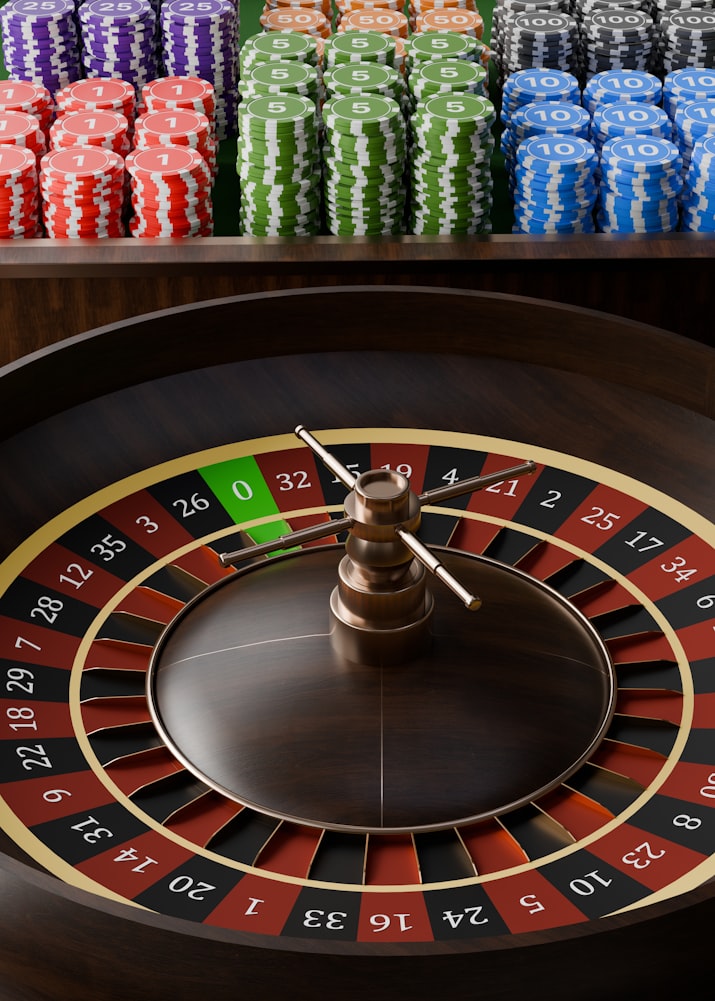
The desire to chase luck can also lead to problematic gambling behaviors, as individuals may engage in gambling as a means of escape or stress relief. In these cases, the focus shifts from enjoyment to desperation, often culminating in a cycle of losses that can be challenging to break. It is vital for players to remain aware of their motivations for gambling and to set boundaries to avoid falling into this unhealthy pattern. Recognizing the thrill of the game while keeping emotions in check can create a healthier gambling experience.
Moreover, acknowledging that luck is a fundamental but unpredictable part of gambling can help players adjust their expectations. Instead of solely pursuing winning outcomes, they can focus on the enjoyment of the experience itself. By cultivating a more mindful approach to gambling, players can appreciate the thrill of the game while mitigating the risks associated with chasing luck. Ultimately, this shift in perspective contributes to a more sustainable and enjoyable gambling experience, allowing players to engage with the games they love without jeopardizing their well-being.
Exploring the World of Gambling Online
The rise of online gambling platforms has transformed the way people engage with games of chance, significantly shaping the modern gambling landscape. Players now have access to an extensive variety of games from the comfort of their own homes, where luck remains a pivotal factor. With this shift, the experience of gambling has evolved, allowing individuals to explore countless options without the constraints of traditional brick-and-mortar establishments. This accessibility has made gambling more appealing to a diverse audience, including those who may have previously been hesitant to participate.
Online gambling environments offer unique features, such as bonuses and promotions that can enhance the role of luck. Players can take advantage of free spins or deposit bonuses, which add an additional layer of chance to the gaming experience. While these incentives may increase the potential for winnings, they also require players to be cautious and informed, as the allure of easy luck can lead to overspending and addiction. Understanding the fine print of these offers is crucial for players who wish to maximize their enjoyment while minimizing risks.
The online space also provides a platform for valuable resources, including guides and tips on responsible gambling. Understanding the importance of luck, skill, and psychological factors can empower players to make more informed decisions. Engaging with online communities allows individuals to share their experiences and strategies while emphasizing the need for responsible gaming practices. This collective wisdom fosters a safer environment in the world of online gambling, where players can enjoy their favorite games while being mindful of their limits and the unpredictable nature of luck.
 By wlfercardona
 - 31 de agosto de 2026
- public
- Comentarios desactivados en Why luck matters in the world of gambling